What Are XCV Panels? A Complete Guide to Advantages and Applications
Welcome to the future of visual technology! This comprehensive guide will take you on a journey to understand XCV panels, a cutting-edge advancement in display technology. From their core components to their diverse applications, we’ll explore why XCV panels offer a superior alternative to traditional display solutions. Prepare to dive into the world of XCV panels and discover how they are revolutionizing various industries with their innovative features and benefits.
What is an XCV Panel?
An XCV panel, or X-tra Crystalline Visual/Volumetric panel, represents a significant leap in panel technology. These panels are designed for high performance, offering superior clarity and energy efficiency. Unlike standard panels, XCV panels offer an immersive visual experience while minimizing energy consumption. This makes them an ideal choice for a wide range of applications, from consumer electronics to industrial displays. The core advantage of XCV panels lies in their ability to deliver exceptional image quality while promoting eco-friendly practices.
Components of XCV Panels
The construction of an XCV panel involves several key components working in harmony. These include advanced crystalline layers that enhance light transmission and reduce glare. Its specialized backlighting systems for uniform brightness, and robust protective layers to withstand wear and tear. The seamless integration of these components ensures that XCV Solar panels offer both visual fidelity and long-term durability. The specific materials and design can vary based on the intended application. But the core principle remains consistent: to maximize visual performance and energy efficiency.
How XCV Panels Work
XCV Solar panels operate on the principle of enhanced light management and energy conservation. The crystalline structure within the panel allows for more efficient light transmission. It reduces the need for excessive backlighting and thus lowering energy consumption. This technology also improves color accuracy and contrast, resulting in a more vibrant and true-to-life display. Additionally, XCV Solar panels often incorporate smart energy management systems that optimize performance based on ambient lighting conditions and usage patterns. It further contributes to their overall efficiency.
Key Features & Benefits
Extreme Durability: Resistance to heat, moisture, and physical impact.
One of the standout features of XCV Solar panels is their exceptional durability. These panels are engineered to withstand harsh environmental conditions, including extreme heat, high humidity, and physical impacts. This resistance to wear and tear makes XCV Solar panels a reliable choice for applications in demanding environments, such as outdoor displays, industrial control panels, and transportation systems. The robust construction ensures that XCV Solar panels maintain their performance and longevity, reducing the need for frequent replacements and minimizing maintenance costs.
Energy Efficiency: Why they consume up to 30% less power than traditional alternatives.
Energy efficiency is a hallmark of XCV panels. By utilizing advanced crystalline structures and optimized backlighting systems, these panels consume up to 30% less power compared to traditional alternatives. This reduction in energy consumption not only lowers operational costs but also contributes to a smaller carbon footprint. The use of XCV Solar panels aligns with sustainability goals and demonstrates a commitment to eco-friendly technology, making them an attractive option for businesses and consumers alike who are conscious of their environmental impact and are looking to use solar energy more effectively.
Visual/Functional Clarity: Enhanced brightness and “true-to-life” color accuracy or energy output.
XCV panels offer unparalleled visual clarity, characterized by enhanced brightness and true-to-life color accuracy. The advanced panel technology displays images with exceptional detail and vibrancy, creating an immersive viewing experience. Whether used in graphic design, medical imaging, or entertainment displays, XCV Solar panels deliver superior visual performance. The functional clarity extends beyond aesthetics, as the improved visibility can also enhance productivity and reduce eye strain, making them a valuable asset in various professional settings.
Eco-Friendly Design: Use of recyclable materials and reduced carbon footprint during manufacturing
The eco-friendly design of XCV panels is a testament to their commitment to sustainability. Manufacturers build these panels using recyclable materials, reducing waste and minimizing their environmental impact. The production processes lower carbon emissions, further contributing to a smaller carbon footprint. By choosing XCV Solar panels, consumers and businesses can support environmentally responsible practices and contribute to a more sustainable future. The combination of energy efficiency and eco-friendly materials makes XCV Solar panels a compelling choice for those seeking to minimize their environmental impact.
XCV Panels vs. Traditional Panels (Comparison Table)
When comparing XCV panels with traditional panels, the differences become starkly apparent. Traditional panels often suffer from lower energy efficiency and reduced durability compared to XCV Solar panels. The XCV panel’s advanced design, incorporating crystalline layers, leads to enhanced light management and superior visual clarity. This means that while traditional panels may suffice for basic display needs, XCV panels offer a transformative experience, providing better performance and longevity in various applications. The advantage is clear for industries seeking high performance and sustainability, as XCV panels are designed with eco-friendly practices in mind.
Major Applications of XCV Technology
The versatility of XCV technology allows it to serve numerous industries, showcasing its innovative capabilities. From residential to commercial and industrial sectors, XCV panels are revolutionizing how businesses implement display and energy solutions. The seamless integration of XCV technology into various applications highlights its adaptability and superior performance. As technology continues to advance, the application of XCV Solar panels is set to expand, further solidifying their position as a leading panel solution. The journey of technological advancement with XCV Solar panels is just beginning, promising even more exciting applications in the future.
Residential Use: Smart home displays and high-efficiency rooftop energy systems.
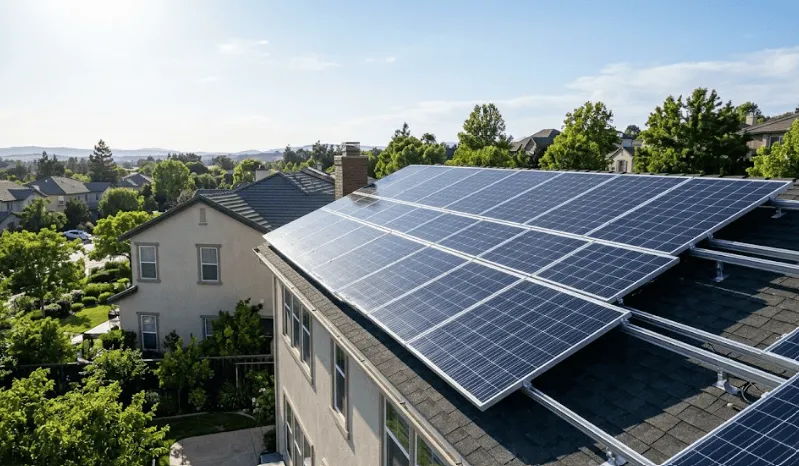
In residential settings, XCV panels are making a significant impact by enhancing both smart home displays and rooftop energy systems. Smart home displays benefit from the superior visual clarity and energy efficiency of XCV technology, providing homeowners with an immersive and eco-friendly user experience. Similarly, high-efficiency rooftop energy systems utilizing XCV Solar panels can improve solar energy capture, reducing energy consumption and promoting sustainable living. The advantage of using XCV Solar panels in these applications is clear: homeowners can enjoy advanced technology while minimizing their environmental footprint. The journey towards smarter, more sustainable homes is being paved by XCV Solar panels available today.
Commercial/Industrial: Digital signage in harsh environments and large-scale solar farms.
In the commercial and industrial sectors, businesses use XCV panels for digital signage in challenging environments and for large-scale solar farms. The extreme durability of XCV Solar panels ensures they can withstand harsh conditions, making them ideal for outdoor digital displays and industrial control panels. Moreover, large-scale solar farms benefit from the enhanced energy conversion efficiency of XCV Solar panels, maximizing solar energy production. The seamless integration of these panels into commercial and industrial operations offers a compelling solution for businesses seeking both high performance and sustainability. As industries look to embrace the eco-friendly, innovative advancements that XCV Solar panels offer, the demand for this cutting-edge panel technology continues to grow.
Automotive & Aerospace: Lightweight, durable panels for electric vehicles and satellite tech.
The automotive and aerospace industries are leveraging XCV panels for their lightweight and durable properties. Electric vehicles benefit from the reduced weight and increased energy efficiency of XCV Solar panels, improving overall performance and range. In aerospace, satellite manufacturers use XCV Solar panels for their ability to withstand extreme conditions while providing reliable performance. The seamless application of XCV Solar panels in these sectors showcases their versatility and high-performance capabilities. The advantage of using XCV Solar panels in automotive and aerospace is clear: enhanced performance, durability, and efficiency, which align perfectly with the demands of these industries. The journey of innovation continues as XCV panel technology advances, pushing the boundaries of what’s possible in transportation and space exploration.
Consumer Electronics: Next-gen smartphones and monitors with “zero-glare” XCV tech.
XCV technology is set to revolutionize consumer electronics, particularly in next-generation smartphones and monitors. The “zero-glare” XCV tech provides enhanced visual clarity and reduces eye strain, offering a superior viewing experience. These panels offer improved color accuracy and energy efficiency, making them ideal for devices that require high performance and long battery life. The advantage of XCV Solar panels in consumer electronics lies in their ability to deliver an immersive visual experience while minimizing energy consumption. As consumers demand better and more eco-friendly technology, XCV Solar panels are poised to become the new standard in display technology, adding to the graphic capabilities.
Pros and Cons of XCV Solar Panels
Pros: Longevity, superior performance in low light, space-saving design.
XCV panels offer a myriad of advantages, contributing to their increasing popularity across various industries. Some key benefits include:
- Longevity: XCV panels are designed to withstand wear and tear for extended periods.
- Superior performance in low light conditions: This makes them ideal for applications where visibility is crucial.
- Space-saving design: XCV Solar panels allow for seamless integration into devices and systems.
This advancement in panel technology ensures that XCV Solar panels provide lasting value and performance.
Cons: Higher upfront cost, currently limited availability in some markets.
Despite their numerous advantages, XCV Solar panels do come with certain drawbacks. Specifically, potential buyers should consider the following points:
- The higher upfront cost can be a barrier for some consumers and businesses.
- The currently limited availability of XCV Solar panels in some markets may restrict access.
However, as production scales and distribution networks expand, it is expected that the cost and availability of XCV panel technology will improve. This journey towards greater accessibility will further solidify the appeal of XCV Solar panels offer.
VIII. The Future of XCV Panel Technology
Scaling Production: How costs are expected to drop as manufacturing scales.
The future of XCV panel technology is closely tied to the scaling of production. As manufacturing processes become more efficient and production volumes increase, analysts expect the costs associated with XCV panels to drop significantly. This will make XCV Solar panels a more accessible option for a broader range of applications, from consumer electronics to industrial displays. The advancement in manufacturing technology will further optimize the production of XCV Solar panels, leading to higher yields and lower prices. This journey toward cost reduction will be essential for the widespread adoption of XCV panel technology in solar panels and other panel application.
Integration: The move toward “Invisible XCV” (transparent panels integrated into windows).
One of the most exciting trends in XCV panel technology is the move toward “Invisible XCV” panels, which are transparent panels seamlessly integrated into windows and other surfaces. This innovation allows for the creation of smart windows that can control light transmission, generate electricity through solar energy capture, and display information without obstructing the view. The advantage of invisible XCV Solar panels lies in their ability to combine functionality with aesthetics, transforming ordinary surfaces into interactive and energy-efficient displays. This seamless integration of technology into everyday objects represents a significant advancement in panel technology. The use of XCV panels offer a new avenue in eco-friendly designs as well.
Market Trends: Expert predictions for the next 5 years.
Experts predict significant growth in the XCV panel market over the next five years, driven by increasing demand for high-performance, energy-efficient display technology. Growing adoption across automotive, aerospace, and consumer electronics will fuel this expansion. Additionally, advancements in panel technology and manufacturing processes will further enhance the capabilities and affordability of XCV panels.
This positive outlook positions XCV Solar panels to dominate the display market and revolutionize how we interact with technology across various applications. The journey has only started and the future of XCV panel and display technology is only a step away.
Conclusion: The Joy in the Journey of XCV Solar Panels
Summary of Key Points
Throughout this journey, we’ve explored the core advantages and features of XCV Solar panels, understanding why they represent a cutting-edge advancement in display technology. From their exceptional durability and energy efficiency to their superior visual clarity, XCV panels offer a compelling alternative to traditional panels. We’ve examined their diverse applications across various industries, highlighting their versatility and adaptability. The innovation that lies with in the XCV panel is a technology that’s here to stay.
Encouraging Adoption of XCV Solar Panels
Embracing XCV panels means investing in a technology that not only enhances performance but also promotes sustainability. The eco-friendly design and reduced energy consumption of XCV Solar panels align with the growing demand for environmentally responsible solutions. By adopting XCV panel technology, businesses and consumers can contribute to a more sustainable future while enjoying the benefits of superior display and performance. The advantage of using XCV Solar panels available, in the long run, is great.
Future of XCV Panels in a Technological Landscape
As panel technology continues to evolve, XCV Solar panels are poised to play a central role in shaping the future of displays and energy solutions. The ongoing advancements in manufacturing and integration will further enhance their capabilities and affordability. From transparent panels integrated into windows to high-performance displays in consumer electronics, XCV Solar panels offer a versatile platform for innovation. The journey of XCV panels is a story of transformation. The seamless integration and design is the key to it’s success.
Frequently Asked Questions (FAQ Section)
Are XCV panels used in residential settings?
Yes, XCV panels are increasingly being used in residential settings, particularly for smart home displays and high-efficiency rooftop solar energy systems. The superior visual clarity and energy efficiency of XCV Solar panels make them an ideal choice for homeowners seeking to enhance their living spaces while reducing their environmental footprint. XCV Solar panels offer an immersive experience and contribute to sustainable living by design.
How does XCV Panel technology impact energy consumption?
XCV panel technology has a significant positive impact on energy consumption. By utilizing advanced crystalline structures and optimized backlighting systems, XCV Solar panels consume up to 30% less power compared to traditional panels. This reduction in energy consumption not only lowers operational costs but also promotes eco-friendly practices and reduces carbon emissions, which is an advantage to all industries. This seamless integration of energy-efficient technology makes XCV panels a sustainable choice.
Q3: What advantages do XCV Solar panels offer over traditional displays?
XCV panels offer several key advantages over traditional panels. Specifically, they provide benefits such as:
- Enhanced durability
- Superior visual clarity
- Greater energy efficiency
Their robust construction allows them to withstand harsh environmental conditions, while their advanced crystalline structure ensures vibrant and true-to-life colors. Additionally, XCV panels consume less power, making them a more sustainable and cost-effective option. In short, XCV Solar panels offer a superior display experience. They are designed to be eco-friendly while delivering top-notch performance. The innovation helps improve the graphic display.
Q4: What are the limitations of XCV panels?
While XCV panels offer numerous advantages, they also have certain limitations. One of the primary drawbacks is their higher upfront cost compared to traditional panels. Additionally, XCV Solar panels may have limited availability in some markets, restricting access for consumers and businesses. Here are a few active voice alternatives, depending on who is doing the expecting:
However, scaling production and advancing technology will diminish these limitations, making XCV Solar panels more accessible and affordable. Even with their limitations, XCV panels have a very good edge.
Are XCV panels more expensive than OLED?
Generally, XCV Solar panels may have a higher upfront cost compared to traditional LED panels but could be competitive with or slightly more affordable than OLED panels, depending on the specific panel and manufacturer. Buyers should consider the total cost of ownership, including energy consumption and lifespan, when comparing the cost-effectiveness of different panel technologies. They should also weigh this for solar panels as well as graphic displays in the application.
Can XCV panels be used in extreme cold?
Yes, XCV panels are designed to operate effectively in a wide range of temperatures, including extreme cold conditions. Their robust construction and advanced materials ensure reliable performance even in harsh environments. This makes them suitable for applications such as outdoor displays in cold climates and industrial control panels in refrigerated facilities. The wear and tear of these panels available is minimal.
Where can I buy XCV-certified products?
XCV-certified products are typically available through authorized distributors, retailers, and manufacturers specializing in display technology and energy solutions. It is recommended to check with leading electronics retailers and solar panel providers to find XCV-certified panels and products. Additionally, online marketplaces and industry-specific trade shows can provide access to a wide range of XCV panels offer. It’s essential to ensure that products are genuinely certified to guarantee quality and performance, as this is cutting-edge advancement and technology in display panels.