How Technology Giants Shape Global Security: The Complete Guide
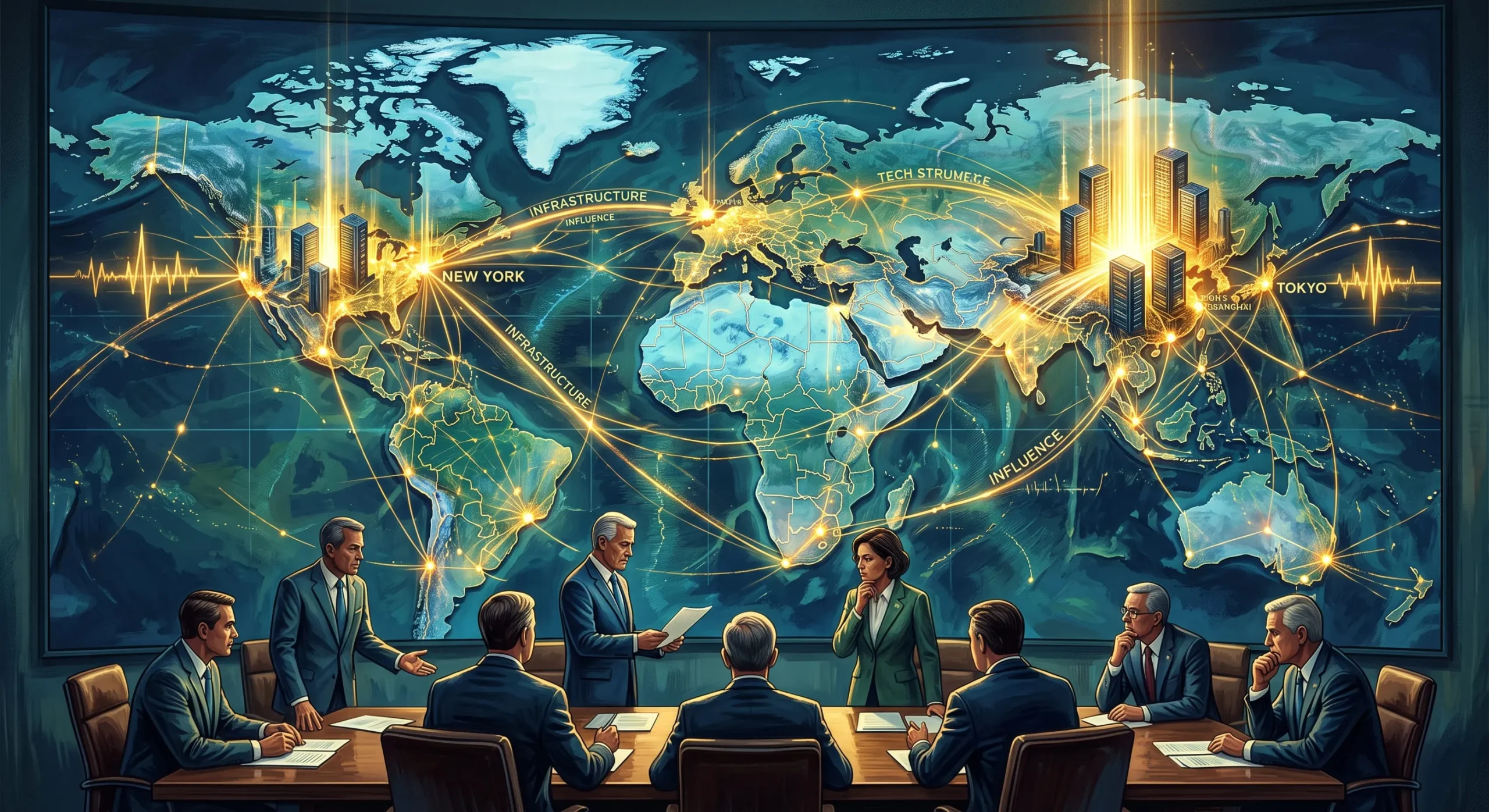
Governments are no longer the only major players shaping global security. Technology giants such as Microsoft, Google, and Amazon control critical cloud infrastructure, artificial intelligence systems, cybersecurity tools, and digital platforms that governments and businesses increasingly rely on.
This raises an important question: How Technology Giants Shape Global Security and how much influence should private companies have over the systems that protect nations, businesses, and billions of people?
From defending critical infrastructure against cyberattacks to developing AI-powered security systems, technology companies now have a direct role in modern cybersecurity and national defense. Their decisions can affect data privacy, digital safety, threat detection, and even international security.
In this guide, we’ll examine how technology giants shape global security, why their influence has grown so rapidly, the benefits and risks involved, and what their expanding role means for your data, privacy, and online security.
Why Tech Giants Now Sit at the Center of Global Security
Twenty years ago, national security meant borders, soldiers, and spy agencies. That definition has changed fast.
A cyberattack can shut down a hospital overnight. A cloud outage can freeze an entire government. A single AI model can shift the balance of power between nations.
This is why technology companies are fast becoming powerful geopolitical stakeholders. They control the infrastructure that entire countries now depend on. It also explains the growing role of technology companies in geopolitics today.
The Shift From Economic Players to Strategic Actors
Big tech companies used to compete on apps and gadgets. Now they compete for something bigger: control of global security infrastructure.
Cloud services, AI models, satellites, and cybersecurity tools sit at the core of modern defense. Whoever builds these systems holds real influence over outcomes.
This is the landscape of global security in 2026. Private tech corporations now sit next to governments at the table, not behind them.
What Actually Changed: Cloud, AI, and Satellites
Three things drove this shift.
First, most government data now lives on cloud services run by private firms. Second, AI is used in defense, cyber defense, and intelligence work. Third, satellite networks now carry communication in active war zones.
Advances in science and technology move faster than the rules meant to govern them. Each of these trends gives tech corporations direct influence over national and international security outcomes.
How Big Tech Companies Influence National Security
Let’s break this down into what actually happens behind the scenes.
Cloud Services and Critical Infrastructure
Most government systems now run on cloud services. Just three U.S. firms handle most of the world’s cloud computing. Amazon, Microsoft Azure, and Google Cloud lead this space.
That concentration creates a real problem. If a country’s data sits with one provider, that provider gains massive influence.
France learned this the hard way. In June 2025, a Microsoft France executive testified before the French Senate. Senators asked if he could guarantee French data stayed protected from U.S. authorities. He answered with a single word: no.
That single answer sparked a serious debate across Europe about digital sovereignty. It remains the core of the sovereignty debate today.
Countries want strong data protection. But they also want the tech industry’s speed and tools. Governments are still figuring out the best way of dealing with technology companies. This exact tradeoff sits at the center of the debate.
Cybersecurity and Threat Intelligence Sharing
Cybersecurity has become a joint effort between governments and private tech firms.
Microsoft, for example, actively works with global law enforcement to fight cybercrime. It also runs programs meant to protect elections from cyber threats and disinformation.
This partnership matters. Intelligence and law enforcement agencies often lack deep technical reach. Tech giants have built that reach up over decades.
Some cloud providers now offer security services once reserved for government agencies alone. New cybersecurity and national security laws are being written to keep pace with this shift.
Satellite and Communications Technology
Satellite internet has become a new front in global security.
Starlink is the clearest example. It has over 9,000 satellites in orbit, active in more than 100 countries. It has kept communication alive during wars, protests, and internet blackouts.
But this creates a new kind of problem. A private company, not a government, often decides who gets connected and when. That is a real shift in power on the world stage.
The Role of AI in Reshaping Global Politics
Artificial intelligence is not just a business tool anymore. It has become central to global politics and defense planning.
AI in Defense and Cyber Defense Work
Governments now use AI for surveillance, cyber defense, and threat detection.
Major AI labs are also working directly with governments. In May 2026, the U.S. National Institute of Standards and Technology announced a new deal. Google, Microsoft, and xAI agreed to share unreleased AI models with regulators before public launch.
The goal was simple: catch dangerous security risks early. This shows how deeply AI and national security now overlap.
AI Governance and International Relations
AI governance has become a major topic in international relations.
Different regions are choosing different rules. The EU leans toward strict AI regulation. The U.S. favors a lighter, innovation-first approach. China pushes state-controlled AI development instead.
As artificial intelligence keeps advancing, this split keeps widening. It is creating three separate AI worlds, not one shared system. That fragmentation adds pressure to global security and geopolitical conflicts already in play. Many nations now build sovereign AI systems partly to mitigate this exact risk.
Microsoft and the Big Tech Five: A Closer Look
When people talk about “big tech,” they usually mean a small cluster of firms. Think Microsoft, Google, Amazon, Meta, and Apple.
Tech giants’ influence over security now rivals that of mid-sized national agencies. These big tech actors increasingly shape outcomes governments once controlled alone.
Microsoft’s Growing Security Role
Microsoft plays one of the clearest security roles played by any tech firm today.
It runs Microsoft Federal, a division built for government and defense clients. It also partners directly with agencies like CISA on AI security playbooks.
In June 2026, Microsoft signed a major cybersecurity agreement with Australia. The deal covers secure cloud infrastructure, AI safety, and critical infrastructure protection. Agreements like this are becoming the norm. Governments increasingly lean on one company’s security capabilities.
How Other Tech Firms Are Taking On Similar Roles
Microsoft is not alone here. Other major tech firms play similar parts.
Google and Amazon both run classified cloud environments for defense clients. Several data-focused firms now work directly inside intelligence agencies. As big tech adapts to rising demand, more tech firms will likely follow.
Data Sovereignty and the China Question
One of the toughest issues in this space involves the integration of Chinese technology. This technology now sits inside global supply chains.
Why Chinese Tech Sparks National Security Concerns
China requires many companies to store certain data inside its borders. Analysts sometimes call this the “Beijing Effect.”
Western governments worry about the same problem in reverse. Could Chinese-made hardware or apps send data back to Beijing? These national security concerns have shaped policy across the U.S., the EU, and beyond.
TikTok remains the most visible example. Years of scrutiny led to real restrictions in several Western markets. The concern always circles back to one question: who ultimately controls the data?
Data Protection and Governance Battles
Every major region now has its own approach to data protection and governance.
The EU leans on strict privacy law. The U.S. favors a market-driven approach. China ties everything back to state security review.
This mismatch is part of why global governance around technology stays so messy. There is still no single shared rulebook.
Cyber Threats and the Modern Security Apparatus
Cyber threats are the most direct way this topic touches your daily life.
Common Cyber Threats You Should Know
Ransomware attacks on hospitals and utilities happen often. Phishing campaigns tied to state actors keep growing. AI-generated disinformation during elections is now common too.
Governments treat many of these incidents as direct security threats, not minor nuisances. Tech firms sit on the front line of defending against them.
How to Mitigate These Risks Yourself
You do not need to work in government to take basic steps.
- Use strong, unique passwords for every account.
- Turn on two-factor authentication everywhere you can.
- Keep software and devices updated at all times.
- Stay cautious with links from unknown senders.
- Back up critical data outside of one single cloud service.
These simple habits help mitigate the same cyber threats that worry national governments. Large organizations face the exact same risks.
Communications Technology and Social Media Platforms
Technology and social media platforms play a quieter, but still important, security role.
Disinformation spreads fast across these platforms. State actors have used them to influence elections and shift public opinion. This is why governments now push for stricter rules. They want tighter oversight of communications technology and social media together.
The relationship between technology and governance is still being written here. Expect more regulation in this area over the next few years.
What This Shift Means for You
You might assume this topic only concerns presidents and CEOs. It does not.
Your bank, hospital, and phone provider likely depend on a handful of tech giants. When those firms make security decisions, it affects you directly.
Public safety and security now increasingly rely on private choices. Boardroom decisions matter almost as much as government policy.
Understanding this helps you make smarter choices. Start by choosing services with strong data protection. You can also support policies that promote balanced global governance. At the same time, take steps to protect your own devices better.
Frequently Asked Questions
Why are tech companies involved in national security at all?
Because they own the infrastructure cybersecurity depends on. Cloud services, AI tools, and satellites now sit inside almost every part of modern defense.
Is Microsoft part of the U.S. government?
No. Microsoft is a private company. It works closely with governments through contracts and partnerships, but it remains a private firm.
Can one company really affect global security and geopolitical conflicts?
Yes. Starlink’s role in recent conflicts is one clear example. Access decisions made by a single private company shaped military communication on the ground.
What is digital sovereignty, in simple terms?
It means a country wants control over its own data and digital infrastructure. It does not want to depend fully on foreign tech corporations.
How does AI fit into all of this?
AI now powers cyber defense, surveillance, and intelligence work. It has also become a race between nations, similar to past arms races in history.
Key Takeaways
Technology companies are no longer just economic players. They are fast becoming powerful geopolitical stakeholders, with real control of global security tools.
From cybersecurity to AI and satellites, a small group of tech giants shapes outcomes today. These outcomes were once left to governments alone. This rise of technology companies as central security players is not slowing down.
Innovation in AI, cyber defense, and communications technology keeps accelerating. It will keep pulling the tech industry deeper into questions of national and international security.
Understanding this landscape helps you see the bigger picture. It also helps you make smarter, safer choices with your own data, starting now.