
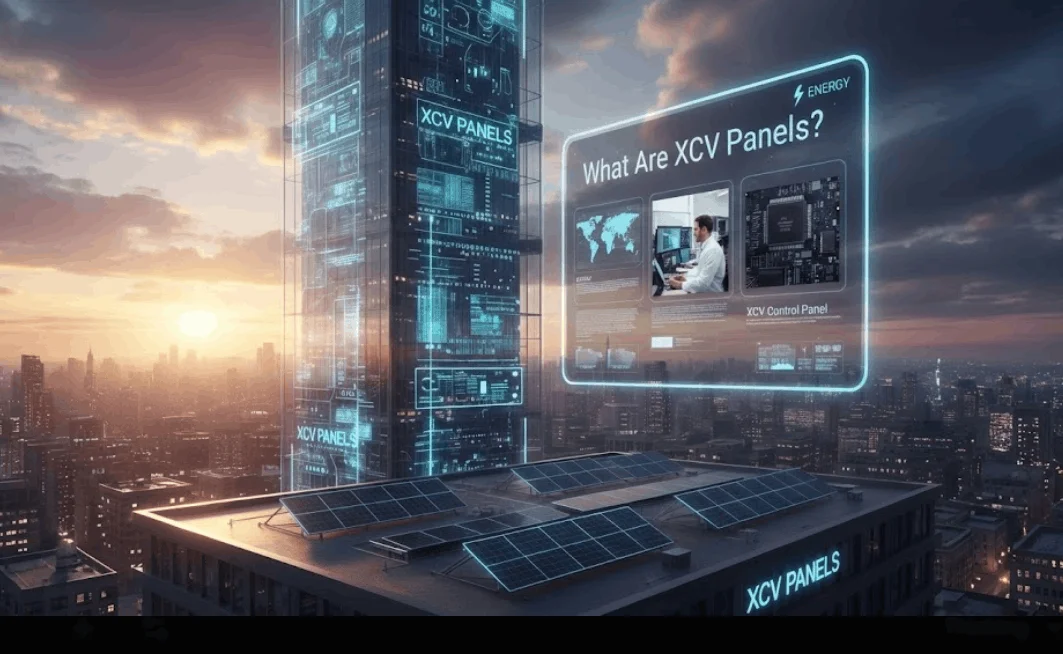

The world of display and energy technology has undergone a rapid evolution. We’ve moved from the bulky, power-hungry LCDs of the past to the sleek, ultra-efficient panels that define the modern era. However, even with these advancements, standard panels often struggle with significant energy loss, distracting glare, and a limited functional lifespan.
The solution to these persistent challenges is the XCV (X-tra Crystalline Visual/Volumetric) panel. This next-generation technology represents a significant leap forward in both visual performance and energy management. At its core, the XCV panel delivers high-performance results through specialized technology. This system provides superior clarity and extreme durability. Additionally, it sets a new standard for industry-leading energy efficiency.
What is an XCV Panel?
An XCV panel is a cutting-edge integrated system that bridges the gap between high-end visual displays and efficient power distribution. While traditional panels rely on standard monocrystalline or polycrystalline structures, XCV technology utilizes a specialized “X-tra Crystalline” substrate.
This technology is primarily used in two major sectors:
- Industrial Control: As part of an XCV control panel, it manages complex automated control systems and PLC control panels with high precision.
- Energy and Display: As an XCV panel system, it serves as a high-efficiency alternative to standard solar panels, offering better performance in low-light conditions and an immersive visual experience for high-end display technology.
Essentially, these panels are designed to offer a seamless user experience. Whether used in factory automation systems or smart industrial panels.
Components of XCV Panels
The innovation behind XCV panels lies in their multi-layered construction, which is more robust than standard panel technology. A typical unit consists of the following cutting-edge components:
- Protective Glass Layer: A high-impact, anti-glare coating that reduces wear and tear and protects the delicate internal graphic elements.
- X-tra Crystalline Substrate: The “heart” of the panel, responsible for the high efficiency and superior light transmission.
- Conductive Layer & Wiring: Advanced control panel wiring and metallic conductors (often utilizing silver or high-grade copper bus wires) that facilitate a steady flow of electricity.
- Encapsulated EVA Layers: These act as thermal insulators and moisture barriers, ensuring the panel remains eco-friendly and functional for decades.
- Backplane and Junction Box: For XCV electrical panels, this includes a panel board configuration that manages power distribution and provides a secure interface for electrical control systems.
How XCV Panels Work
Understanding how XCV panels work requires looking at the advancement in the photovoltaic effect and crystalline conduction.
- Light Absorption: When photons (light particles) strike the X-tra Crystalline surface, they are absorbed by the semiconductor material.
- Electron Excitation: The specialized crystalline structure allows electrons to be dislodged more easily than in traditional panels, creating a stronger electric field.
- Direct Current (DC) Generation: These free electrons flow through the control panel wiring, producing a continuous flow of direct current.
- Signal and Power Management: In industrial automation panels, the XCV system uses integrated PLC control panels to translate this energy into actionable data or power for machinery control panels.
By optimizing this journey of light-to-energy conversion, XCV panels offer significant advantages in both energy consumption reduction and operational reliability.
Key Features & Benefits of XCV Panels
XCV panel solutions offer much more than standard hardware. When you choose this technology, you adopt a sophisticated XCV panel system built for modern industry and high-end displays. Engineers specifically designed these XCV panel features to eliminate common pain points like degradation and power loss.
Extreme Durability and Resilience
One of the standout benefits of XCV panels is their incredible physical resilience. Unlike standard panels that may crack under pressure or warp in extreme temperatures, industrial XCV panels are built to withstand high heat, heavy moisture, and significant physical impact. This makes them an ideal choice for machinery control panels and factory automation systems where environmental conditions can be unpredictable. Their specialized coating also prevents wear and tear from acidic environments or heavy dust, common in manufacturing control panels.
Industry-Leading Energy Efficiency
Efficiency is where XCV panels offer their greatest advantage. While standard monocrystalline or polycrystalline options typically peak at around 20-22% efficiency, the XCV panel system is designed to minimize energy waste.
- Reduced Consumption: They can consume up to 30% less power than traditional alternatives by optimizing the light-to-energy conversion process.
- Optimized Power Distribution: Within an electrical control system, these panels ensure that voltage drops are minimized through advanced control panel wiring and low-voltage control panels architecture.
Unmatched Visual and Functional Clarity
XCV tech delivers enhanced brightness and true-to-life color accuracy. This performance benefits both display technology and smart industrial panel applications. PLC control panels and automated control panels now offer perfect visibility for all operators. This technology ensures clear data visualizations from extreme angles while eliminating the glare common in older LCD systems.
Sustainable and Eco-Friendly Design
In today’s market, being eco-friendly is a requirement, not an option. XCV panel manufacturers prioritize the use of recyclable materials and a reduced carbon footprint during the production phase. By choosing custom XCV panels, you are supporting a circular economy, as many components can be reclaimed at the end of their 20+ year lifespan.
XCV Panels vs. Traditional Panels: A Detailed Comparison
Evaluate the long-term value of an XCV panel system rather than focusing only on XCV panel pricing. While XCV panel solutions require a higher initial investment, they offer a lower total cost of ownership over time. These systems reduce control panel maintenance costs and provide much longer lifespans than traditional panels.
| Feature | XCV Panels | Standard LED/Solar |
| Efficiency | High (>90%) | Moderate (15-22%) |
| Lifespan | >20 Years | 10-15 Years |
| Thickness | Ultra-thin / Flexible | Rigid / Standard |
| Cost | Premium Initial Investment | Lower Initial Cost |
| Weather Resistance | High (Extreme Climate) | Average |
XCV panels outperform standard gear in every critical metric. These systems specifically enhance industrial automation panels and energy management panels. Traditional solar panels or display units remain cost-effective for smaller, budget-friendly projects. However, industrial panel solutions providers recommend XCV for mission-critical applications. This includes switchgear panels and power distribution panels where failure is not an option.
Major Applications of XCV Technology
The versatility of XCV panels has enabled them to penetrate a wide range of sectors, from heavy industry to personal electronics. Because XCV panels are designed for both durability and precision, they are being adopted across the following key areas:
Residential Use and Smart Homes
For homeowners, XCV panel solutions are revolutionizing living spaces through smart home displays that offer immersive visual quality without the bulk. Additionally, high-efficiency rooftop energy systems utilizing XCV tech allow for greater power generation on smaller roof footprints, making solar energy more accessible for urban dwellings.
Commercial and Industrial Sectors
In the professional world, industrial XCV panels are the backbone of factory automation systems. They are frequently used as machinery control panels and HVAC control panels, where they must operate 24/7 without failure. Furthermore, their high brightness makes them ideal for digital signage in harsh outdoor environments, while their efficiency powers large-scale solar farms.
Automotive and Aerospace
The aerospace and automotive industries highly value the cutting-edge nature of this technology.
- Electric Vehicles (EVs): Manufacturers are integrating lightweight XCV panels into vehicle bodies to extend range through auxiliary solar energy harvesting.
- Aerospace: Their resistance to extreme conditions makes them perfect for satellite tech and communication switchgear panels in orbit.
Consumer Electronics
We are beginning to see XCV panel features appear in next-gen smartphones, tablets, and monitors. The “zero-glare” properties and high graphic fidelity offer a premium viewing experience, while the low power consumption significantly extends battery life in portable devices.
Pros and Cons of XCV Panels
Every advancement in panel technology comes with trade-offs. To provide a balanced view, here are the primary advantages and challenges associated with the XCV panel system.
The Pros
- Longevity: Manufacturers build these panels to last, often exceeding a 20-year lifespan with minimal wear and tear.
- Low-Light Performance: Unlike standard solar panels, XCV tech maintains high efficiency even during overcast days or in shaded areas.
- Space-Saving Design: Their ultra-thin and often flexible nature allows for seamless integration into architectural designs and compact electrical control systems.
- Reduced Maintenance: High-quality control panel wiring and housing mean less frequent control panel troubleshooting.
The Cons
- Higher Upfront Cost: As a premium technology, the initial XCV panel pricing is typically higher than traditional LED or solar options.
- Limited Availability: Currently, finding a local XCV panel supplier or XCV panel manufacturer can be more difficult than sourcing standard components.
- Specialized Installation: Some XCV electrical panels require technicians familiar with PLC control panels and panel board configuration for optimal setup.
The Future of XCV Panel Technology
The journey of XCV panels is only just beginning. Industry experts expect several innovations to move this technology from a niche solution to a global standard as we look toward the next five years.
Scaling Production and Affordability
Manufacturing costs will drop significantly as more industrial panel solution providers adopt XCV standards. This economy of scale will make custom XCV panels more affordable for small businesses and residential users alike.
The Rise of “Invisible XCV”
One of the most exciting advancements is the move toward transparent or “Invisible” XCV panels. Imagine windows in skyscrapers that act as energy management panels, harvesting power while remaining perfectly clear. This integration will turn every glass surface into a functional power distribution unit.
Market Trends & Expert Predictions
Industry experts predict that by 2030, automated control panels using XCV technology will be the standard for industrial automation panels. The push for eco-friendly, smart industrial panels will drive a market shift, where XCV panels offer the most sustainable path forward for global energy and display needs.
Conclusion: The Joy in the Journey of XCV Panels
Industry experts often define the journey of technology by a constant push for higher efficiency and more immersive experiences. As we have explored in this guide, XCV panels represent a pinnacle of this evolution. Redefining the Future of Technology
XCV panels represent more than a simple hardware upgrade. This technology fundamentally shifts how industry experts manage power distribution, industrial automation, and high-fidelity graphics. Engineers select the robust XCV control panel for mission-critical reliability. Homeowners adopt these systems to secure a sustainable energy path. Choosing XCV marks a rewarding step into the future of technology.
Summary of Key Points
To recap our deep dive into XCV technology, keep these core takeaways in mind:
- Superior Durability: Designed to resist high heat, moisture, and extreme physical wear and tear.
- Energy Management: These panels consume significantly less power, often up to 30% less than traditional LED or solar alternatives.
- Versatile Applications: From PLC control panels in factories to smart home displays, their use cases are vast and growing.
- Sustainable Choice: By using recyclable materials and offering a lifespan of 20+ years, they remain an eco-friendly industrial solution.
Encouraging the Adoption of XCV Panels
For those currently evaluating industrial panel solutions, now is the time to look toward XCV panel systems. High XCV panel pricing may initially seem like a hurdle. However, the long-term benefits of XCV panels provide a clear return on investment. These systems reduce control panel maintenance costs and increase operational uptime. Future-proof your infrastructure by partnering with a reputable XCV panel manufacturer. This strategic move ensures you remain at the cutting-edge of your industry.
The Future of XCV Panels in a Technological Landscape
The advancement of XCV panels will drive a seamless integration into our daily lives. Industry experts expect this technology to become the global standard. This innovation moves from transparent “Invisible XCV” glass to smarter automated control panels. The integration of XCV electrical panels into smart cities will redefine energy management. This cutting-edge technology builds a more efficient world, one panel at a time.
Frequently Asked Questions (FAQ Section)
Q1: Are XCV panels used in residential settings?
Yes, Modern homes increasingly use XCV panels. These panels power smart home display units for a zero-glare viewing experience. Additionally, homeowners utilize them in high-efficiency rooftop solar panels to maximize home solar energy production.
Q2: How does XCV Panel technology impact energy consumption?
XCV panels offer a dramatic reduction in consumption. Due to their advanced crystalline structure, they require less energy to generate high-brightness displays and lose significantly less power during solar-to-electricity conversion.
Q3: What advantages do XCV panels offer over traditional displays?
XCV panels outperform standard LED/OLED panels in several key areas. They provide superior visual clarity, even in direct sunlight. These panels also offer greater durability against harsh environmental factors. Furthermore, users benefit from a longer lifespan without the risk of “burn-in” or functional degradation.
Q4: What are the limitations of XCV panels?
High upfront costs represent a primary hurdle. Additionally, complex industrial setups require specialized technicians. These experts must handle control panel troubleshooting and panel board configuration. Together, these factors define the main limitations of the current technology.
Q5: Are XCV panels more expensive than OLED?
In many cases, yes. The manufacturing process for the “X-tra Crystalline” substrate is currently more specialized than that for OLEDs. This makes custom XCV panels a premium choice. However, their 20+ year lifespan often makes them cheaper over the long term.
Q6: Can we use XCV panels in extreme cold?
Absolutely. Manufacturers design XCV panels to be weather-resistant. Their internal control panel wiring and protective layers maintain efficiency even in sub-zero temperatures. Which makes these panels ideal for aerospace and arctic industrial use.
Q7: Where can I buy XCV-certified products?
You should source these through a certified XCV panel supplier or directly from an authorized XCV panel manufacturer. This approach ensures that your specific project fully meets all compliance and standards requirements. While maximizing efficiency and industrial electrical safety.