
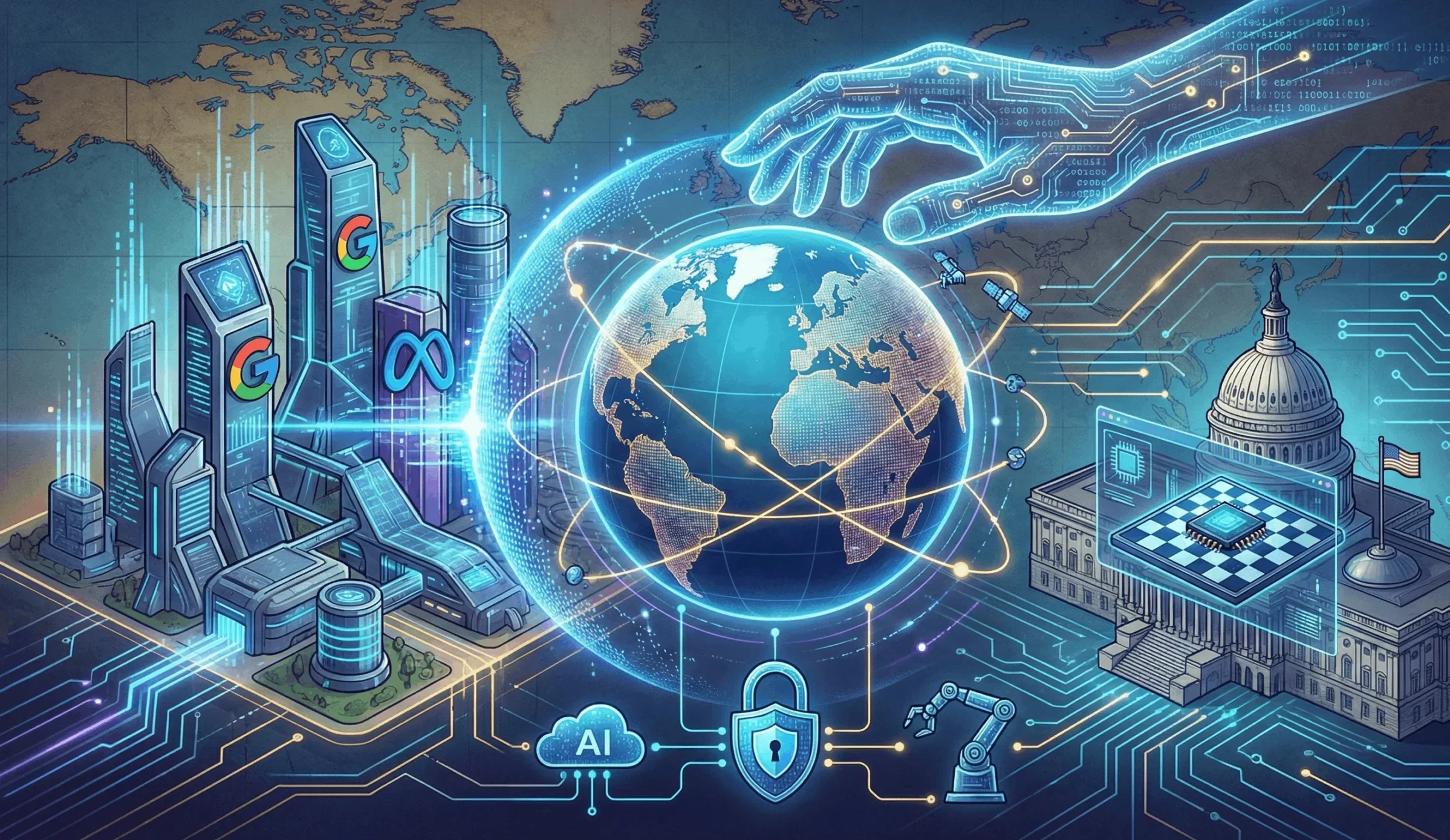

In today’s interconnected world, the influence of tech companies rivals that of nation-states. This article explores how these big tech giants are not just shaping economies but also wielding considerable power in global security. It navigates complex geopolitical landscapes, and fundamentally altering the dynamics of international relations. Understanding this shift is crucial for comprehending the new mechanics of global power.
The New Infrastructure of Power
The Role of Big Tech in Global Security
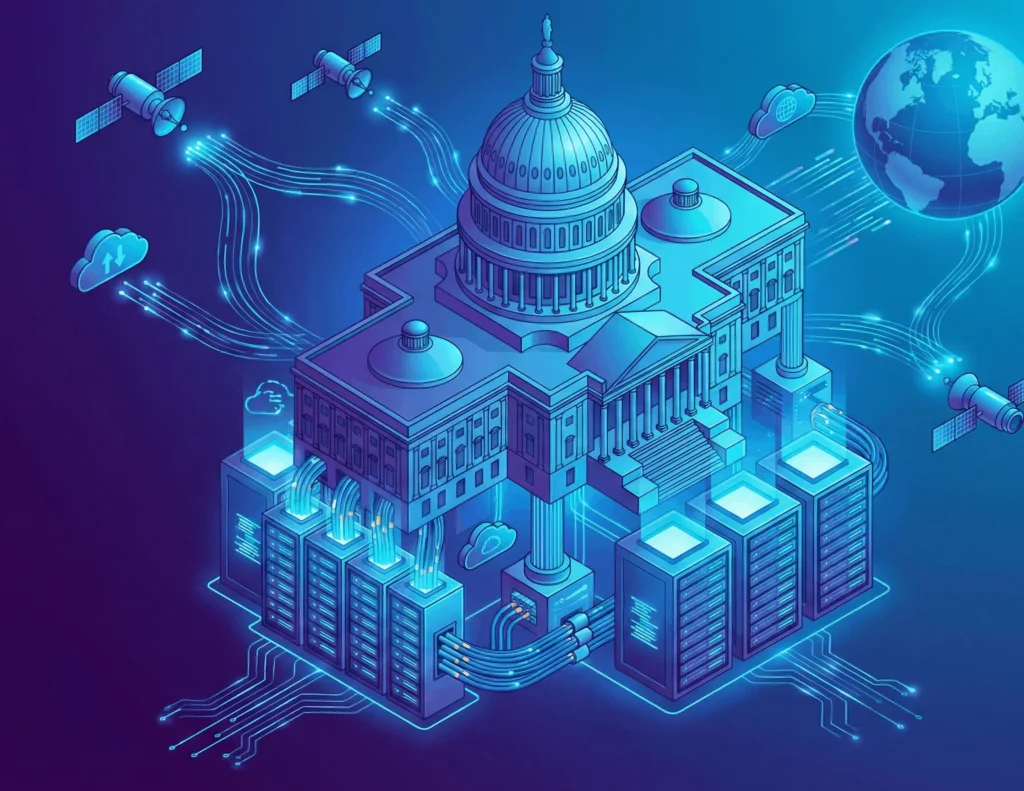
Tech giants, such as Microsoft and other major tech companies, play a pivotal role in shaping global security. The rise of big tech firms has made them central players in national and international security. These private companies are increasingly involved in areas traditionally dominated by governments. Their influence extends to cybersecurity, foreign policy, and even the very fabric of global politics.
The scale and economic power of these technology companies have fundamentally reshaped the landscape. Big tech companies are increasingly becoming essential partners in addressing security threats that transcend national borders. From providing cloud infrastructure to government agencies to developing AI-powered defense systems, the role of big tech in modern security cannot be overstated.
Key Technology Trends Reshaping Security
Emerging technologies are rapidly reshaping global security, and tech companies are at the forefront of this transformation. Artificial intelligence (AI) and other digital technologies are revolutionizing the way we approach security, creating new opportunities and challenges. The development and deployment of these technologies have profound implications for both national security and international relations.
The tech sector has witnessed unprecedented growth driven by emerging technologies. AI algorithms now power everything from threat detection systems to autonomous defense mechanisms. These technological advancements have created new vulnerabilities while simultaneously offering enhanced protection capabilities. Big tech firms invest billions in research and development to stay ahead of evolving security threats.
Cloud Computing and Critical Infrastructure
Cloud computing has become a critical component of modern infrastructure, with major tech companies like Microsoft and Amazon providing essential services. The reliance on these big tech services for critical operations raises important questions about resilience and security governance. Protecting these systems from cyber-attacks and ensuring their reliability is paramount for national security. This is where public policy should focus.
The digital giants have effectively become the backbone of global digital infrastructure. Government agencies, financial institutions, and healthcare systems all depend on cloud platforms operated by platform companies. This concentration of critical technology in the hands of a few big tech companies presents both opportunities and risks for global security and geopolitical conflicts.
Public-Private Partnerships and Security
Public-private partnerships are increasingly common in the realm of security, as governments seek to leverage the expertise and resources of tech companies. These collaborations can be beneficial, but they also raise concerns about oversight and accountability. Navigating these partnerships effectively requires careful consideration of the role of big tech and how to ensure that national interests are protected.
The relationship between civil society, governments, and tech actors has evolved significantly. Major tech giants now participate in policy areas traditionally reserved for state actors. From the war in Ukraine, where tech companies provided crucial support including drones to Ukraine and implemented sanctions against Russia, to collaborations with the American security apparatus, these partnerships demonstrate the evolving nature of security assemblages in the 21st century.
Cybersecurity as a Service

Identifying Vulnerabilities with AI
Big tech firms are leveraging AI to revolutionize cybersecurity, particularly in identifying vulnerabilities. Advanced algorithms sift through massive datasets, pinpointing potential weaknesses in software and hardware before they can be exploited. This proactive approach is crucial, as traditional methods often lag behind the rapidly evolving threat landscape.
Major tech companies like Microsoft are at the forefront, embedding AI into their security apparatus to detect and neutralize threats in real time. The efficiency and scalability of AI enhance cybersecurity, offering a significant advantage in protecting critical infrastructure and sensitive data. With emerging technologies, AI is reshaping global security and defense strategies.
Machine learning models can now identify patterns indicative of potential breaches, anomalous behavior in network traffic, and zero-day vulnerabilities. This represents a paradigm shift from reactive to proactive security measures. Big tech actors have invested heavily in developing sophisticated AI systems that continuously learn and adapt to new threats, making them invaluable partners in national and global security efforts.
Defending Against Cyber-warfare
The digital battlefield is increasingly active, and tech giants are playing a pivotal role in defending against cyber-warfare. They employ sophisticated cybersecurity measures, including advanced threat detection systems and incident response protocols, to protect their own infrastructure and that of their clients. These technology companies also collaborate with governments and international organizations to share threat intelligence and coordinate defense efforts.
As state-sponsored actors and other malicious entities become more adept at launching cyber-attacks, the expertise and resources of big tech are essential in maintaining national security and preventing disruptions to critical services. This collaboration requires robust public policy frameworks and oversight to ensure accountability and protect civil society.
Big tech companies have established dedicated security teams that work around the clock to monitor potential threats. The Russian invasion of Ukraine demonstrated how technology companies could serve as crucial defense partners, providing both technical infrastructure and intelligence support. This co-producing security model represents a new paradigm where private actors and government agencies work in tandem to address security threats.
The Impact of Data Privacy on Security
Data privacy and security are inextricably linked, and the policies surrounding data collection and usage can have a profound impact on global security. On one hand, robust data protection measures can enhance security by limiting the amount of sensitive information available to attackers. On the other hand, strict privacy regulations can sometimes hinder security efforts by restricting the sharing of data needed to detect and prevent threats.
Striking the right balance between privacy and security is a complex challenge that requires careful consideration of the ethical, legal, and technological aspects involved. Furthermore, emerging technologies and science and technology in general are also at the center of the data privacy discussion. Global security and geopolitical conflicts are increasingly influenced by data privacy regulations, as nations vie for digital sovereignty and control over data flows.
The tension between data security requirements and privacy protections has become a central issue in international security. Big tech companies must navigate varying regulatory frameworks across different jurisdictions while maintaining effective security protocols. The concept of digital sovereignty has emerged as nations seek greater control over their citizens’ data and the technology infrastructure operating within their borders.
The Geopolitical Pawn
Tech Giants and Supply Chain Security
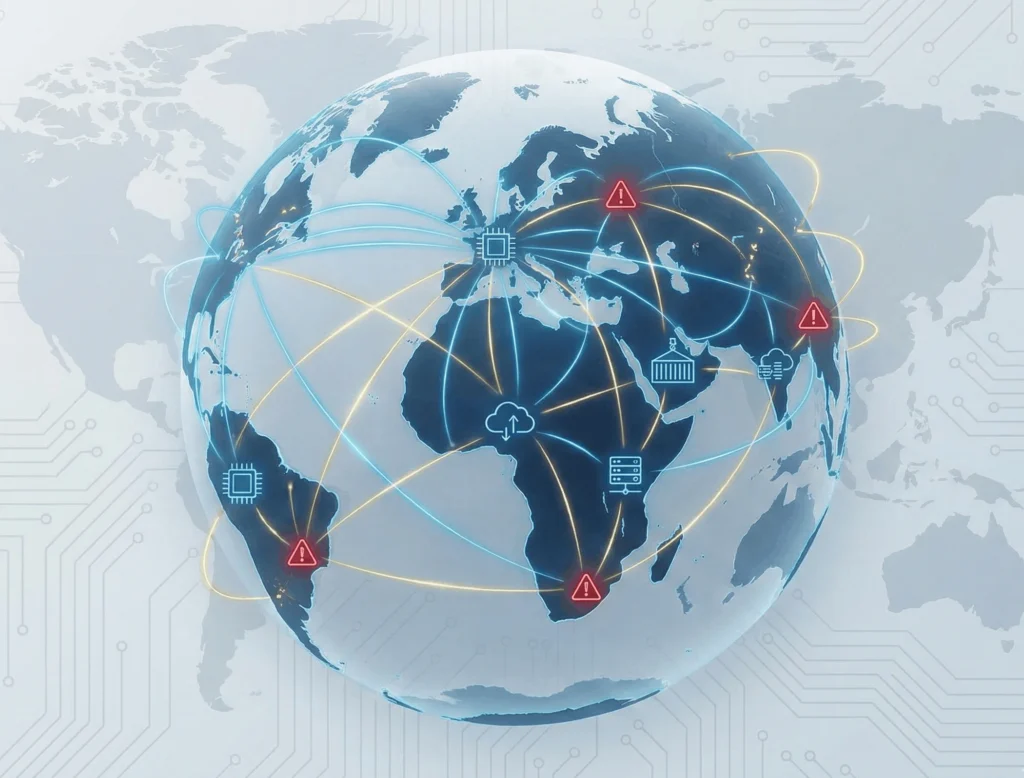
In the intricate web of global security, tech giants play a pivotal role in supply chain security. As critical technology becomes increasingly complex and interconnected, the vulnerabilities within supply chains have emerged as a significant concern. These vulnerabilities can be exploited by state-sponsored actors or malicious private actors, leading to disruptions in critical infrastructure and compromising national security.
Tech companies are increasingly responsible for ensuring the integrity and resilience of their supply chains. Major tech companies are developing advanced technologies to mitigate supply chain risks. From semiconductor manufacturing to software distribution, every link in the chain represents a potential security vulnerability that requires constant monitoring and protection.
The geopolitical implications of technology supply chains have become apparent in recent years. Competition for technological superiority between nations has led to policies restricting technology transfer and limiting access to critical technology. Big tech companies find themselves navigating complex international relations while trying to maintain global operations, often becoming pawns in larger geopolitical struggles.
Controversies: 5G Bans and Misinformation Campaigns
The rise of tech giants has brought with it a series of controversies, particularly surrounding 5G bans and misinformation campaigns. Concerns over national security have led to restrictions on the use of certain tech companies’ equipment in 5G networks, raising questions about geopolitical influence and digital sovereignty.
Social media platforms, also major tech companies, have faced intense scrutiny for their role in spreading misinformation and disinformation, which can have profound implications for global security and geopolitical stability. Public policy and content moderation strategies are at the forefront of the ongoing debate. AI algorithms and other digital technologies play a crucial role in this landscape.
The role of social media in shaping public opinion and potentially influencing democratic processes has become a critical concern for international security. Platform companies like TikTok have found themselves at the center of debates about data security and foreign influence. Content moderation policies of Silicon Valley giants now carry significant geopolitical weight, affecting everything from election integrity to public health crises.
State-Sponsored Actors and Tech Products
State-sponsored actors are increasingly targeting tech products as a means of espionage, sabotage, and influence operations. These actors exploit vulnerabilities in software and hardware to gain access to sensitive information, disrupt critical services, and spread disinformation. Tech companies are thus at the forefront of defending against these threats.
Big tech companies invest heavily in cybersecurity and intelligence gathering to protect their products and networks from state-sponsored attacks. The role of big tech in countering these threats is critical for maintaining national and international security. This issue is also relevant in security studies and global affairs, especially in light of the war in Ukraine and other geopolitical conflicts.
Companies like Palantir have emerged as key players in providing intelligence and data analytics services to government agencies. The distinction between private companies and security apparatus has blurred as big tech firms become integral to national defense strategies. This evolution raises important questions about oversight, accountability, and the appropriate role of private actors in global security and geopolitical conflicts.
Ethical & Privacy Implications

The Trust vs Safety Debate
The debate between trust and safety is central to the ethical considerations surrounding tech giants. These technology companies collect and process vast amounts of data, raising concerns about privacy and potential misuse. Striking the right balance between protecting user data and ensuring safety is a complex challenge.
Some argue that strong security measures are necessary to prevent harm, even if they require some sacrifice of privacy. Others prioritize data privacy and advocate for greater control over personal information. This conflict highlights the tension between individual rights and collective security in the digital age. AI is also involved in the safety and trust matters.
The governance models employed by big tech companies significantly impact how this balance is struck. Security governance frameworks must address not only technical vulnerabilities but also ethical considerations about surveillance, data retention, and user rights. Civil society organizations play a crucial role in advocating for transparent practices and holding tech giants accountable.
Mass Surveillance Concerns
The capabilities of tech giants to collect, analyze, and share data have raised significant concerns about mass surveillance. These companies possess the tools and infrastructure to monitor individuals’ activities on a scale never before imagined. Critics fear that this surveillance could be used to suppress dissent, discriminate against certain groups, or otherwise abuse power.
Ensuring oversight and accountability in the use of surveillance technologies is essential for protecting civil liberties and preventing the erosion of privacy. This is very crucial for global security. Public policy is constantly trying to accommodate the changes that tech sector faces.
The concentration of platform power in the hands of a few digital giants has created unprecedented surveillance capabilities. From tracking online behavior to analyzing communication patterns, big tech services enable surveillance at a scale that rivals or exceeds that of many government intelligence agencies. The lack of transparency around these practices has fueled concerns about privacy rights and potential abuses.
Algorithmic Bias and Digital Sovereignty
Algorithmic bias and digital sovereignty are two critical issues shaping the ethical landscape of big tech. Algorithms used by tech giants can perpetuate and amplify existing biases, leading to unfair or discriminatory outcomes. Addressing algorithmic bias requires careful attention to the data used to train algorithms, and it requires ongoing monitoring and evaluation of their impact.
Digital sovereignty refers to a nation’s ability to control its own digital infrastructure and data flows. As tech companies become increasingly powerful, many countries are seeking to assert greater control over their digital borders and protect their national interests. Tech companies need to respect digital sovereignty. Global security and geopolitical stability depend on this.
The tension between globalized tech platforms and national sovereignty has intensified in recent years. Countries have implemented data localization laws, content restrictions, and other measures to assert control over their digital domains. Big tech companies must navigate these varying requirements while maintaining their global operations, creating a complex web of compliance challenges that affect both business operations and international relations.
Conclusion: The Future Outlook
Will Tech Giants Become Rivals to Governments?
The future of the relationship between tech giants and governments is uncertain, but the potential for rivalry is real. As big tech companies amass ever greater power and influence, they may increasingly challenge the authority of nation-states. The tech giants could develop their own foreign policy agendas and act independently on the global stage.
Ensuring that these technology companies remain accountable and aligned with national interests will be a key challenge for policymakers in the years to come. Global security and geopolitical stability depend on maintaining a healthy balance of power. These emerging technologies and companies will continue to reshape international relations.
The scale and economic power of major technology companies now rivals that of many nation-states. Their decisions about content moderation, data access, and technology deployment can have profound implications for global politics. The question isn’t whether tech giants will influence international affairs, but rather how that influence will be exercised and regulated.
The Role of the Digital Geneva Convention
The concept of a Digital Geneva Convention seeks to establish norms and rules for responsible behavior in cyberspace, with the goal of preventing cyber-warfare and protecting critical infrastructure. Tech companies would play a crucial role in implementing and enforcing such a convention.
The tech giants need to cooperate with governments and international organizations to develop common standards for cybersecurity and data privacy, while also committing to respecting fundamental human rights in the digital realm. The effectiveness of a Digital Geneva Convention will depend on the willingness of all stakeholders to abide by its principles. Tech sector and the war in Ukraine are also related to the discussions about Digital Geneva Convention.
Establishing international norms for cyber behavior has become increasingly urgent as the digital battlefield expands. The involvement of big tech companies in security assemblages means they must be party to any meaningful international agreements. Their technical expertise and global reach make them essential partners in creating and enforcing rules for cyberspace, but questions about oversight and accountability remain unresolved.
Emerging Technologies and International Relations
Emerging technologies, such as artificial intelligence (AI), are poised to reshape international relations in profound ways. AI could be used to enhance military capabilities, improve cybersecurity, and even conduct autonomous warfare. Controlling the development and deployment of AI will be essential for preventing a new arms race and ensuring global security.
The international community needs to develop common principles for AI governance and ensure that these technologies are used for peaceful purposes. Also, understanding the global security and geopolitical conflicts are crucial in this case. These challenges require collaboration between governments, big tech companies, and civil society.
The rapid pace of technology development presents both opportunities and risks for international security. Disruptive technology can shift power balances between nations and non-state actors alike. Research and development in areas like AI, quantum computing, and biotechnology are increasingly central to national security strategies. The role of big tech in advancing these technologies means they are now key players in the global competition for technological superiority.
Coalition-building around technology standards and governance will be essential for maintaining stability. The Munich Security Conference and similar forums have begun addressing these challenges, but much work remains. The relationship between technology development and global power dynamics will continue to evolve, requiring constant adaptation from policymakers, security professionals, and technology companies alike.
FAQ
How do tech giants influence global security?
They control the digital technologies and big tech services used by the US security apparatus to defend against security threats.
What are the cybersecurity challenges posed by Big Tech?
The primary challenge is the concentration of platform power, which creates single points of failure for national security if governance and oversight are lacking.
How does AI impact international relations?
Artificial intelligence acts as a force multiplier in global affairs, allowing big tech firms to reshape the balance of global power through soft power and advanced R&D.